In today’s fast-paced, internet-driven world, businesses can’t rely only on traditional marketing methods like newspaper ads, TV commercials, or billboards. Customers spend most of their time online, scrolling through social media, searching on Google, watching YouTube videos, or reading blogs. To effectively reach these customers, companies need digital marketing campaigns.
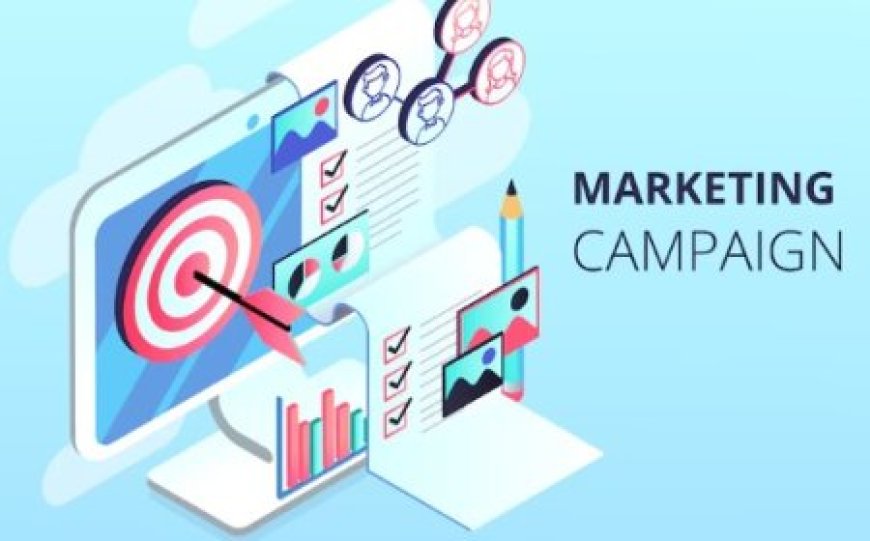
A digital marketing campaign is a planned series of online activities aimed at promoting a business, product, or service while achieving specific goals such as brand awareness, lead generation, or sales. Unlike random posts or ads, a campaign is structured, targeted, and measurable.
In simple terms, think of it as a roadmap that directs your marketing efforts across digital platforms like Facebook, Instagram, Google, YouTube, and email.
Key Characteristics of a Digital Marketing Campaign
Goal-Oriented
Every campaign starts with a clear objective, whether it’s increasing website traffic, boosting app downloads, or generating more leads.
Targeted Audience
Instead of reaching everyone, campaigns are designed for specific demographics such as age, location, gender, interests, or behaviors.
Multi-Channel Approach
Campaigns often run across multiple digital platforms, including social media, search engines, emails, and websites, wherever your audience is active.
Content-Driven
Campaigns rely on high-quality content like blogs, videos, graphics, ads, or reels to attract and engage users.
Data-Backed & Measurable
Digital marketing campaigns can be monitored in real-time using analytics tools. You can track impressions, clicks, conversions, and ROI.
Objectives of Digital Marketing Campaigns
Depending on a business’s needs, the goals of campaigns can differ. Common objectives include:
Brand Awareness – Making more people aware of your brand or product.
Lead Generation – Collecting emails, phone numbers, or inquiries from potential customers.
Sales/Conversions – Driving people to buy a product, subscribe, or sign up for a service.
Customer Retention – Engaging existing customers with offers, loyalty programs, or personalized content.
Community Building – Establishing trust and long-term relationships through interactive content.
Types of Digital Marketing Campaigns
There isn’t just one type of campaign. Businesses mix and match based on their goals. Here are the most common types:
Platforms: Instagram, Facebook, LinkedIn, Twitter, TikTok
Example: A clothing brand runs an Instagram Reel challenge to promote a new collection.
2. Search Engine Optimization (SEO) Campaigns
Focus: Ranking higher on Google search results.
Example: A real estate company publishes keyword-rich blogs to attract buyers searching for “flats in Pune.”
3. Pay-Per-Click (PPC) Advertising Campaigns
Platforms: Google Ads, Bing Ads, Facebook Ads
Example: An online course provider runs Google Ads targeting “Digital Marketing Course in Mumbai.”
4. Email Marketing Campaigns
Sending newsletters, offers, or personalized content to a subscriber list.
Example: An e-commerce store sends a festive discount email to customers.
5. Content Marketing Campaigns
Blogs, videos, infographics, and podcasts designed to educate or entertain.
Example: A fitness brand creates YouTube workout videos to attract health-conscious audiences.
6. Influencer Marketing Campaigns
Partnering with influencers or content creators to promote products.
Example: A skincare brand collaborates with a beauty influencer to review its new face serum.
7. Remarketing Campaigns
Targeting people who have already interacted with your website or social media.
Example: You visit Amazon to check a laptop and later see ads for the same laptop on Instagram.
Steps to Create a Digital Marketing Campaign
Running a campaign isn’t just about posting randomly; it requires proper planning and execution.
1. Define Your Goals
Use the SMART framework (Specific, Measurable, Achievable, Relevant, Time-bound).
Example: “Increase Instagram followers by 20% in 3 months.”
2. Identify Your Target Audience
Create buyer personas with details like:
Age: 20-35
Location: Maharashtra
Interests: Fitness, fashion, technology
Online behavior: Active on Instagram and YouTube
3. Choose the Right Platforms
Don’t try to be everywhere; focus on where your audience spends time.
B2B businesses → LinkedIn
Lifestyle brands → Instagram & YouTube
E-commerce → Facebook Ads + Google Ads
4. Craft Your Message & Content Strategy
Decide on the tone, style, and core message.
Example: A premium brand – professional, elegant tone.
Example: A youth-oriented brand – fun, casual, trending reels.
5. Set a Budget
Small business: ₹15,000-₹50,000/month
Medium business: ₹1 lakh-₹5 lakhs/month
Large brand: ₹10 lakhs+ per month
6. Execute the Campaign
Launch ads, post content, send emails, and start engaging with your audience.
7. Monitor & Optimize
Use tools like Google Analytics, Meta Ads Manager, and HubSpot to track performance. If something isn’t working, change visuals, targeting, or copy.
Metrics to Measure Success
The success of a campaign depends on KPIs (Key Performance Indicators):
Impressions & Reach – How many people saw your content.
Click-Through Rate (CTR) – Percentage of people who clicked your ad/post.
Conversion Rate – Percentage of users who took the desired action (purchase, signup, download).
Cost Per Click (CPC) – How much you pay per click.
Return on Ad Spend (ROAS) – Revenue earned compared to money spent on ads.
Engagement Rate – Likes, comments, shares, saves on social media.
Examples of Successful Digital Marketing Campaigns
Coca-Cola’s “Share a Coke”
Replaced the brand logo with customer names.
Encouraged people to share bottles with friends and post online.
Result: Millions of social media impressions worldwide.
Zomato Push Notifications
Witty, personalized app notifications like “Hey, hungrier than your ex?”
Result: Increased app engagement and order frequency.
Nike’s “Just Do It” Digital Ads
Motivational, emotional storytelling across YouTube, Instagram, and TikTok.
Result: Built brand loyalty globally.
Benefits of a Digital Marketing Campaign
Cost-Effective compared to TV or print advertising.
Highly Targeted – You reach exactly who you want.
Scalable – Start small and grow over time.
Real-Time Tracking – See results instantly and adjust.
Global Reach – Reach customers beyond geographical boundaries.
Improves Customer Relationships – Through engagement, feedback, and community building. Common Mistakes in Digital Marketing Campaigns
Click Here For Digital Marketing Resources